

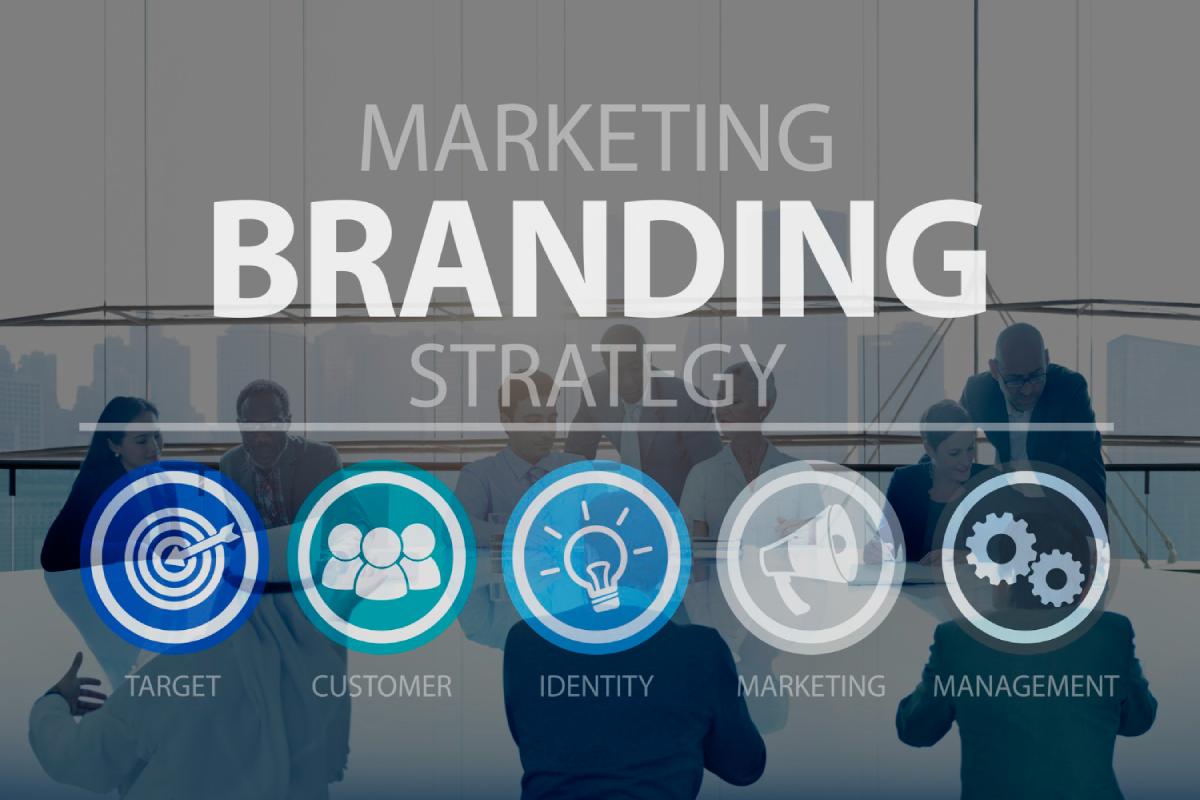
Introduction:
In today’s competitive digital environment, marketing strategy is no longer limited to promotion or advertising alone. At the center of every successful marketing strategy lies branding. Branding defines how people recognize your business, how they feel about it, and why they choose you over competitors. Whether you are working on SEO strategy, YouTube Shorts marketing, or a B2B vs B2C content strategy, branding acts as the foundation that connects all marketing efforts into one clear identity.
A strong branding strategy helps businesses communicate their value consistently across platforms. From websites and search engines to social media and short-form video content, branding ensures that your message stays recognizable, trustworthy, and memorable. This pillar page explains branding in simple, practical terms so it is easy to understand, human-written, and useful for long-term growth.
What Is Branding in Marketing Strategy?
Branding is the process of shaping how your audience perceives your business. It goes beyond logos and colors. In a marketing strategy, branding includes your values, tone of voice, messaging, visual style, and customer experience.
When branding is done correctly:
- Customers recognize your business instantly
- Trust is built over time
- Marketing becomes more effective
- Content performs better across SEO and social platforms
Branding answers important questions:
- Who are you as a business?
- What problem do you solve?
- Why should customers trust you?
- How are you different from competitors?
Without branding, marketing efforts feel disconnected. With branding, all marketing channels work together.
Why Branding Is Important for Long-Term Marketing Success
Branding plays a crucial role in both short-term visibility and long-term authority. While ads and trends may bring temporary attention, branding creates lasting impact.
Key Benefits of Branding
- Builds Trust and Credibility
People are more likely to engage with brands they recognize and trust. Consistent branding signals professionalism and reliability. - Supports SEO and Content Marketing
Search engines reward brands that demonstrate authority and consistency. Branded content performs better in organic search over time. - Improves Conversion Rates
Strong branding reduces hesitation. Customers feel confident choosing a brand they already know. - Creates Emotional Connection
Branding allows businesses to connect with audiences on a deeper level, not just through products but through values and stories. - Strengthens Social Media and Video Marketing
Whether it is YouTube Shorts marketing or Instagram reels, consistent branding improves recognition even in short-form content.
Branding vs Marketing: Understanding the Difference
Many people confuse branding with marketing, but they serve different roles.
- Branding defines who you are
- Marketing promotes what you offer
Branding comes first. Marketing comes after.
For example:
- Branding defines your voice, visuals, and message
- Marketing uses SEO, social media, ads, and videos to spread that message
A strong marketing strategy cannot exist without a clear branding strategy.
Table to add:
| Branding Focus | Marketing Focus |
|---|---|
| Defines identity and values | Promotes products or services |
| Builds long-term trust | Drives short-term traffic |
| Stays consistent over time | Changes with campaigns |
| Connects emotionally | Focuses on conversion |
Core Elements of a Strong Branding Strategy
1. Brand Purpose and Vision
Your brand purpose explains why your business exists beyond making money. It reflects your long-term vision and values.
Questions to define brand purpose:
- What problem are you solving?
- Who are you helping?
- What impact do you want to make?
A clear purpose guides content creation, messaging, and decision-making.
2. Brand Identity (Visual Branding)
Visual branding includes everything your audience sees.
Key components:
- Logo
- Brand colors
- Typography
- Design style
- Website layout
Consistency in visual identity helps people remember your brand and recognize it across platforms.
3. Brand Voice and Tone
Brand voice is how you communicate with your audience.
Examples of brand tone:
- Professional and informative
- Friendly and conversational
- Bold and confident
- Simple and educational
Once defined, your brand voice should remain consistent across blog posts, SEO content, YouTube Shorts scripts, and social media captions.
4. Brand Messaging
Brand messaging explains what you offer and why it matters.
Strong messaging includes:
- Clear value proposition
- Simple language
- Customer-focused benefits
Good messaging avoids complicated terms and speaks directly to the audience’s needs.
Branding and SEO: How They Work Together
Branding and SEO are closely connected in modern marketing strategy.
How Branding Supports SEO
- Branded searches increase trust signals
- Consistent content improves topical authority
- Strong brand names attract natural backlinks
- Users spend more time on branded websites
Search engines prefer websites that demonstrate authority and user trust. Branding helps build both.
Modern businesses also rely on data tools like analytics dashboards and federated searching to understand branding performance. Federated searching allows teams to pull insights from multiple platforms in one place, helping marketers track brand visibility, engagement, and audience behavior more efficiently.
Branding in Content Marketing Strategy
Content marketing is one of the most effective ways to strengthen branding.
Branded content:
- Uses a consistent tone and style
- Focuses on educating and helping users
- Avoids aggressive promotion
Content types that support branding:
- Blog articles
- Guides and tutorials
- Case studies
- Videos and short-form content
Over time, content marketing positions your brand as a trusted resource.
Branding for YouTube Shorts Marketing
Short-form video content has become an important part of marketing strategy. YouTube Shorts marketing relies heavily on strong branding because attention spans are short.
Branding Tips for YouTube Shorts
- Use consistent colors and fonts
- Keep tone and style uniform
- Add recognizable visual elements
- Maintain a clear message
Even in a 30-second video, branding helps viewers remember who you are.
Business Branding vs Personal Branding
Personal Branding
It focuses on an individual rather than a company. It is common among creators, consultants, and marketers.
Benefits:
- Builds trust faster
- Human connection
- Strong social media presence
Business Branding
Business branding represents an organization.
Benefits:
- Scalable
- Professional image
- Long-term brand equity
Both approaches can work together depending on marketing goals.
Branding for B2B vs B2C Marketing Strategy
Branding differs based on the target audience.
B2B Branding
- Focuses on trust and expertise
- Professional tone
- Data-driven messaging
- Long-term relationships
B2C Branding
- Emotional connection
- Creative storytelling
- Relatable messaging
- Faster buying decisions
Understanding these differences improves content strategy and communication.
For example, an interior designer building a personal brand may focus on visual storytelling, portfolio presentation, and social proof, while a design firm may invest more in authority-based branding and long-term client trust.
Brand Consistency Across Marketing Channels
Consistency is one of the most important branding principles.
Your branding should remain consistent across:
- Website
- SEO content
- Social media
- YouTube Shorts
- Email marketing
- Paid ads
Inconsistent branding confuses users and weakens trust.
Common Branding Mistakes to Avoid
- Copying competitors
- Changing visuals frequently
- Using inconsistent tone
- Ignoring audience needs
- Overcomplicating messaging
Simple, clear branding is always more effective.
How to Build a Strong Branding Strategy Step by Step
- Define your audience
- Clarify brand purpose
- Create visual identity
- Set brand voice and tone
- Develop clear messaging
- Apply branding consistently
- Measure and improve
Branding is not a one-time task. It evolves with your business.
Branding Metrics and Performance Tracking
While branding is long-term, performance can still be measured.
Key indicators:
- Brand search volume
- Engagement rates
- Time on site
- Repeat visitors
- Social media mentions
These metrics help evaluate branding impact.
Future of Branding in Digital Marketing
Branding continues to evolve with digital platforms.
Trends include:
- Authentic communication
- Community-based branding
- Video-first branding
- Personalization
- Trust-driven marketing
Brands that adapt will remain competitive.
Trend research platforms such as Quantumrun highlight that future-ready brands focus on trust, personalization, and long-term audience relationships rather than short-term promotion.
Digital Marketing and Branding
Digital marketing helps brands reach people online through websites, search engines, and digital platforms. Branding gives digital marketing a clear direction. Without branding, digital marketing feels random. A strong brand makes every digital campaign more recognizable and trustworthy.
When you create a digital marketing plan, branding helps decide the message, tone, and platforms to use. Good digital marketing supports long-term brand growth, not just short-term traffic.
Social Media and Brand Presence
Social media is where brands interact directly with people. A clear brand voice and visual style help users recognize you instantly.
Branding supports:
-
Consistent posts
-
Clear messaging
-
Better engagement
From profile images to captions, branding should stay the same. This also helps when moving from business cards to banners, keeping offline and online branding connected.
SEO and Brand Visibility
SEO helps people find your brand through search engines. Branding improves SEO by building trust and recognition over time.
Strong branding:
-
Increases branded searches
-
Improves click-through rates
-
Builds authority
The importance of SEO for LinkedIn is also growing. Optimized profiles and branded content help professionals and businesses appear in search results and industry feeds.
Content Marketing for Branding
Content marketing builds trust by sharing useful information instead of direct promotion. Branded content speaks in a consistent voice and focuses on helping users.
Content marketing supports:
-
Blogs and guides
-
Short videos
-
Educational posts
Clear branding helps explain differences in B2B vs B2C content strategy, where tone, content depth, and decision time vary.
Branding Strategies for Business Growth
Branding strategies help businesses achieve business growth by staying consistent and memorable in the minds of customers. When branding is clear, people understand your value faster and trust your business more.
Simple branding strategies for business growth include:
-
Clear brand message
-
Consistent visuals
-
Honest communication
-
Customer-focused content
Strong branding supports campaigns like a Black Friday campaign, where trust and recognition influence buying decisions.
Performance and Brand Measurement
Branding performance is measured over time, not overnight.
Simple performance signs:
-
Repeat visitors
-
Brand searches
-
Social engagement
-
Content sharing
Tracking performance helps improve future branding and marketing efforts.
Influencer Content and Brand Trust
Influencer content helps brands reach new audiences through trusted voices. When influencers match your brand values, trust grows faster.
Influencer content works well for:
-
Product awareness
-
Social proof
-
Community building
Brand consistency is important even when working with creators.
Boost Brand Marketing With YouTube Shorts
Short videos are powerful for brand visibility. To boost brand marketing with YouTube Shorts, branding must be clear and fast.
Simple tips:
-
Use brand colors
-
Keep message short
-
Stay consistent in tone
Even a few seconds can create brand recall.
Recruitment Marketing and Employer Branding
Recruitment marketing uses branding to attract the right talent. Employees also connect with brands that feel clear and honest.
Strong employer branding:
-
Builds trust
-
Improves hiring quality
-
Supports long-term growth
Recruitment marketing works best when brand values are clearly communicated.
Branding connects all marketing efforts into one clear identity. From SEO and social media to influencer content and YouTube Shorts, branding keeps your message consistent and trustworthy. When branding is simple and clear, marketing becomes easier and more effective.
Strong employer branding also recognizes employees’ hard work, because when people feel valued, they naturally become brand ambassadors both online and offline.
Branding must also align with the company’s legal path, including proper registration, transparent policies, and ethical communication, which strengthens credibility and long-term trust.
Conclusion:
Branding is not optional. It is the foundation of every successful marketing strategy. Whether you are focusing on SEO, YouTube Shorts marketing, business tech, or B2B vs B2C content strategy, branding connects all efforts into one clear identity.
By building a strong branding strategy, businesses use business tech more effectively, create trust, improve visibility, and achieve long-term growth. When branding is clear and consistent, marketing becomes easier, more effective, and more sustainable.