

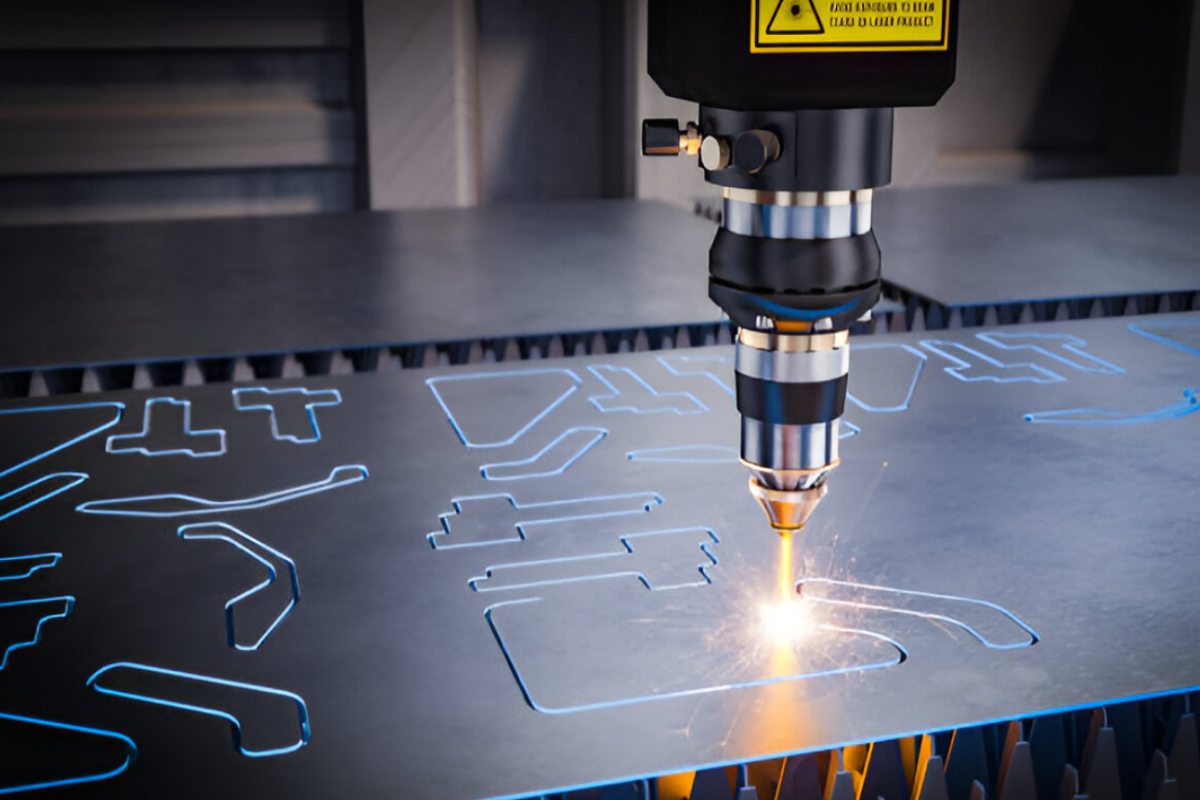
Laser Engraving as a Growth Strategy for Small Businesses
In the realm of small business ventures, the art of laser engraving has emerged as a game-changer. What was once seen as a niche or industrial-only process is now a powerful business enabler for entrepreneurs, artisans, and growing brands. The combination of precision, efficiency, and creative freedom allows small businesses to move beyond handmade limitations and step confidently into scalable production.
Laser engraving bridges the gap between craftsmanship and commercial viability. It enables businesses to deliver consistent quality, meet growing demand, and build recognizable brands—without losing the personal touch that customers value.
Across industries like gifting, leather goods, home décor, signage, corporate merchandise, and D2C brands, laser engraving is no longer just a production method. It has become a strategic decision tied directly to business growth, operational control, and customer loyalty.
Laser Engraving in Modern Small Business Models
Small businesses today don’t all look the same. Many start as micro-businesses, side hustles, or online-first brands. Laser engraving fits naturally into these modern business models.
For micro-entrepreneurs, Laser engraving machines allows a single person or small team to produce high-quality, customized products without hiring large staff. For side hustles, it creates an opportunity to monetize creativity during limited hours while maintaining professional output.
D2C brands benefit especially. Customers buying directly from brands expect personalization, faster turnaround, and premium finishing. Laser engraving delivers all three. Whether it’s names, dates, logos, or custom designs, engraving helps brands stand out in crowded marketplaces.
Customization-driven businesses also thrive with this technology. From wedding gifts to corporate branding, engraving allows businesses to respond to niche demands without reinventing their entire process each time.
This adaptability is why laser engraving increasingly supports business growth strategies instead of remaining a purely creative tool.
Transforming Craftsmanship into Profitable Systems
Your original content highlights an important truth: craftsmanship alone does not guarantee profitability. Laser engraving transforms creativity into a repeatable system.
Traditional handcrafted methods depend heavily on individual skill and time. Laser engraving standardizes quality while preserving design flexibility. Once a design is finalized, it can be reproduced hundreds or thousands of times with the same precision.
This consistency builds customer trust. Buyers know what they will receive. Businesses know what they can deliver.
Profitability improves because:
-
Errors reduce
-
Waste decreases
-
Production time becomes predictable
-
Pricing becomes easier to control
This shift from “making” to “operating” is where small businesses start behaving like scalable companies.
How Laser Engraving Improves Operational Efficiency
Operational efficiency is one of the most overlooked benefits of laser engraving.
Manual processes often slow businesses down. They rely on skilled labor for every single unit, which limits volume and increases dependency on individuals. Laser engraving automates repetitive tasks while allowing human creativity to focus on design and customer experience.
Key efficiency improvements include:
-
Faster turnaround times
-
Reduced manual labor
-
Lower error rates
-
Easier quality control
Orders that once took days can now be completed in hours. Bulk orders become manageable instead of stressful. Seasonal spikes become opportunities instead of risks.
From an operations perspective, laser engraving supports process optimization by removing bottlenecks and simplifying workflows.
Streamlining Production Without Losing Quality
One common fear among artisans is that scaling means losing quality. Laser engraving proves the opposite.
Because designs are digitally controlled, every engraving follows the same specifications. This ensures consistent depth, alignment, and finish. Quality becomes system-driven, not person-dependent.
This consistency is especially important for:
-
Branded merchandise
-
Corporate orders
-
Export-quality products
-
Repeat customers
When quality is predictable, businesses can confidently accept larger orders and long-term contracts.
Laser Engraving and Product Scalability
Scalability is where many small businesses struggle. Demand grows, but systems don’t.
Laser engraving supports scalability by enabling:
-
Bulk production
-
Repeatable processes
-
Standardized outputs
Once engraving becomes part of a scalable business system, growth no longer feels chaotic. Adding new products becomes easier because the same machine and workflow can handle multiple categories.
This scalability allows businesses to:
-
Expand product lines
-
Serve B2B clients
-
Enter new markets
Growth becomes planned, not reactive.
Branding, Customization, and Customer Loyalty
Branding is no longer just logos and packaging. It’s about how a product feels personal.
Laser engraving enhances branding by allowing permanent, high-quality customization directly on the product. This creates a premium impression and emotional connection.
Customers value:
-
Personalized names
-
Meaningful messages
-
Custom designs
These small details increase perceived value and justify better pricing. More importantly, they encourage repeat purchases.
Strong branding supported by personalization improves retention and strengthens your overall marketing strategy.
Revenue Expansion Opportunities Using Laser Engraving
Laser engraving doesn’t just improve existing products—it unlocks new revenue streams.
Small businesses can expand into:
-
Corporate gifting
-
Event merchandise
-
B2B branding orders
-
Customized promotional items
These categories often involve bulk orders and higher margins. Businesses that once relied only on individual customers can now serve companies, institutions, and event organizers.
For entrepreneurs exploring which business is most profitable in India, customization-based manufacturing often ranks high due to demand stability and pricing flexibility.
Technology Investment Considerations for Small Businesses
Laser engraving is a business technology investment, not just a machine purchase.
Before investing, small businesses should consider:
-
Expected order volume
-
Target market
-
Product pricing
-
Payback period
The goal is ROI, not just ownership. Many businesses start with mid-range machines and scale up as demand grows.
This approach aligns with smart decisions around when to invest in business technology—only when it directly supports revenue and efficiency.
Overcoming Challenges and Staying Competitive
Your original content correctly notes that laser engraving comes with challenges.
Common hurdles include:
-
Choosing the wrong niche
-
Underpricing customized products
-
Poor brand positioning
-
Competing only on price
Businesses that succeed treat engraving as part of a broader strategy. They focus on value, not volume alone. They invest in design, storytelling, and customer experience.
Avoiding common business growth mistakes startups make helps ensure long-term sustainability.
Sustainability and Future Trends
Modern consumers increasingly care about sustainability. Laser engraving supports this shift by:
-
Reducing material waste
-
Improving precision
-
Supporting localized production
Future trends include:
-
Integration with e-commerce platforms
-
Faster design-to-production cycles
-
Data-driven product personalization
Businesses that adopt engraving early are better positioned for these changes.
Conclusion: From Craft to Competitive Advantage
Laser engraving has redefined what small businesses can achieve. It transforms craftsmanship into scalable systems, creativity into consistent output, and customization into customer loyalty.
By improving operational efficiency, supporting branding, enabling scalability, and opening new revenue channels, laser engraving becomes a true growth strategy—not just a production tool.
Small businesses that approach it with clarity, strategy, and long-term thinking can turn a creative skill into a sustainable, profitable enterprise.
Innovation doesn’t always mean complexity. Sometimes, it means choosing the right tool at the right time—and using it wisely.