

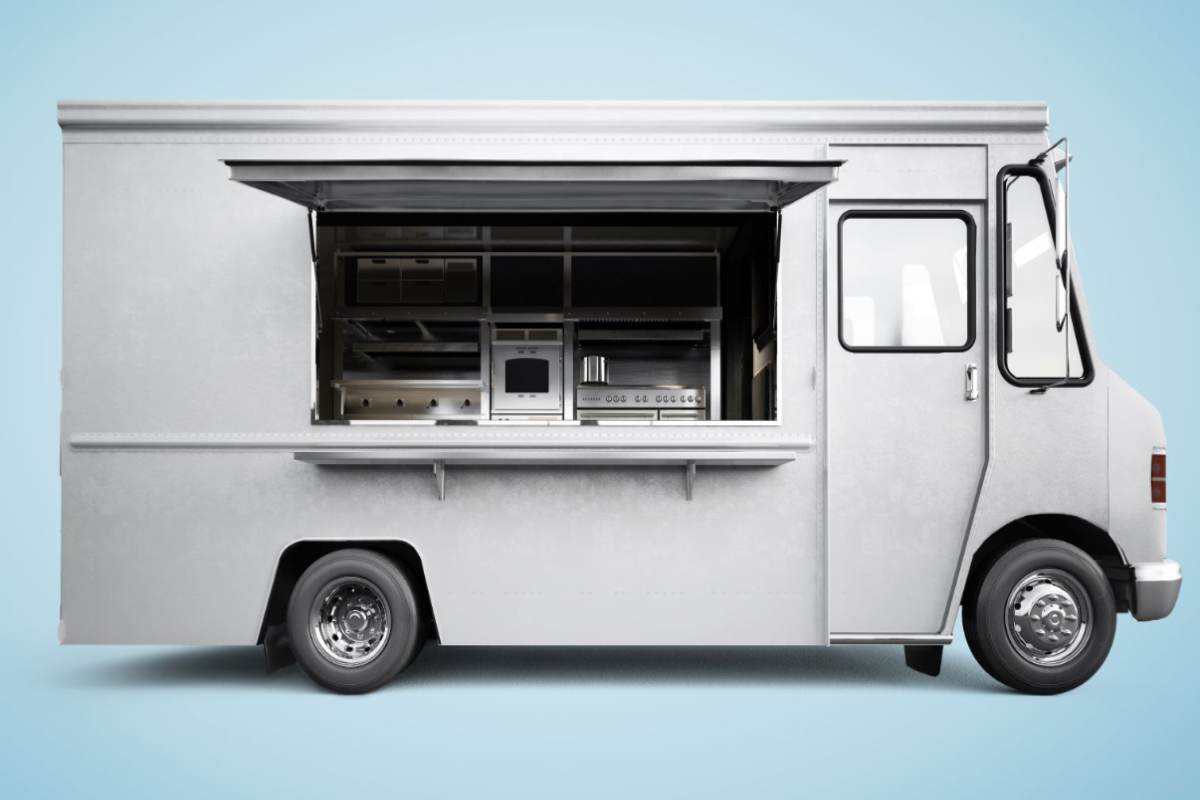
Starting a business doesn’t always mean opening a big shop or renting an expensive restaurant. For many entrepreneurs, a food truck feels like a smarter, safer way to enter the food business.
A food truck is mobile, flexible, and easier to manage than a full restaurant. That’s why many first-time business owners look at food trucks as a practical entry point into entrepreneurship.
This guide explains how to buy or start a food truck business, how much it actually costs, what kind of return you can expect, and the common mistakes you should avoid before investing your money.
Why Food Trucks Are a Popular Business Choice Today
Food trucks are no longer just side hustles or festival stalls. They have become serious small businesses.
Here’s why many entrepreneurs prefer food trucks over restaurants:
Lower Startup Cost Than Restaurants
Opening a restaurant usually means high rent, interiors, furniture, and staff. A food truck skips most of that. You invest once in the truck and equipment, then focus on sales.
Faster Break-Even
Because fixed costs are lower, food trucks often reach break-even faster than traditional restaurants, especially in high-footfall areas.
Location Flexibility
You are not locked into one location. If one area doesn’t work, you can move to another place, event, or market.
Good for First-Time Entrepreneurs
Food trucks are easier to test ideas. You can change your menu, pricing, or even your target audience without major losses.
This flexibility makes food trucks one of the most practical business growth opportunities for small business owners who want to start lean and scale slowly.
Buying vs Starting a Food Truck Business
Before jumping in, you need to decide one thing:
Do you buy an existing food truck or start from scratch?
Both options have pros and cons.
Buying an Existing Food Truck
Buying a ready-made food truck means the vehicle, kitchen setup, and sometimes licenses are already in place.
Pros:
-
Faster launch
-
Existing setup and equipment
-
Sometimes includes an existing customer base
Cons:
-
Higher upfront cost
-
Limited customization
-
Possible hidden maintenance issues
Starting a Food Truck From Scratch
This means buying a vehicle and designing everything yourself.
Pros:
-
Full control over design and menu
-
Branding from day one
-
Better long-term flexibility
Cons:
-
Takes more time
-
More planning required
-
Higher effort in approvals
Quick Comparison
| Factor | Buying Existing Truck | Starting From Scratch |
|---|---|---|
| Initial Cost | Medium to High | Medium |
| Time to Launch | Fast | Slower |
| Risk Level | Medium | Medium |
| Flexibility | Limited | High |
There’s no “best” option. The right choice depends on your budget, urgency, and long-term plans.
How Much Does a Food Truck Cost?
Food truck costs vary based on location, size, and menu type. Instead of exact numbers, it’s safer to think in ranges.
Main Cost Areas to Plan For
Used Food Truck
-
Lower initial cost
-
Faster setup
-
Maintenance checks are critical
New Food Truck
-
Higher upfront investment
-
Custom design and layout
-
Better long-term reliability
Kitchen Equipment
-
Cooking units
-
Refrigeration
-
Storage
-
Safety systems
Licenses and Permits
-
Health department approvals
-
Local authority permissions
-
Fire safety clearance
Insurance
-
Vehicle insurance
-
Public liability
-
Equipment protection
Branding
-
Truck wrap or paint
-
Menu boards
-
Packaging
Tip: Always keep extra budget for unexpected repairs or delays.
Ongoing Operating Costs You Must Plan For
Many new owners focus only on startup costs and forget monthly expenses. That’s a big mistake.
Regular Costs Include:
-
Fuel and vehicle maintenance
-
Ingredients and supplies
-
Staff wages (if any)
-
Cleaning and repairs
-
Renewals of permits
-
Marketing and promotions
If you don’t control these expenses, profits disappear quickly.
This is where good systems and planning help. Many food truck owners improve margins by controlling operating costs through better sourcing, scheduling, and menu planning.
Legal and License Requirements (High-Level)
Legal requirements depend on your city and state, but most food trucks need:
-
Food safety or health license
-
Local municipal approval
-
Fire safety certificate
-
Parking or vending permission
Some locations also require pollution or waste disposal approvals.
Instead of guessing or skipping steps, business owners should always confirm rules through official sources or local advisors, because these are part of basic business legal compliance requirements that every company must follow.
Is a Food Truck Business Profitable?
A food truck can be profitable, but not automatically.
What Affects Profitability?
-
Location and footfall
-
Menu pricing and margins
-
Speed of service
-
Repeat customers
-
Operating cost control
Typical ROI Timeline
Most successful food trucks aim for:
-
Break-even: 6–12 months
-
Stable profit: 12–24 months
Some fail because they underestimate costs or choose poor locations. Others succeed because they stay focused and patient.
Compared to many options, food trucks can fit into profitable business models when managed properly.
Common Mistakes New Food Truck Owners Make
Many failures happen not because the idea is bad, but because of poor execution.
Frequent Mistakes Include:
-
Underestimating monthly expenses
-
Choosing location without research
-
Weak branding or no identity
-
No clear pricing strategy
-
Ignoring customer feedback
These are classic early business growth mistakes that can slow or stop progress.
How to Market a Food Truck on a Small Budget
You don’t need big ads to market a food truck.
What Actually Works:
-
Strong signage on the truck
-
Consistent social media updates
-
Google Maps listing
-
WhatsApp updates to regular customers
-
Simple loyalty offers
Offline visibility still matters a lot—using offline branding tools like banners, boards, and printed materials helps people notice your food truck and remember your brand.
Final Thought – Is a Food Truck Right for You?
A food truck is a good option if:
-
You want a lower-risk entry into business
-
You’re comfortable managing daily operations
-
You’re open to learning and adapting
It may not be right if:
-
You expect instant profits
-
You dislike hands-on work
-
You want passive income
A food truck is not easy, but it’s honest work. With planning, patience, and consistency, it can grow into a stable and rewarding business.