

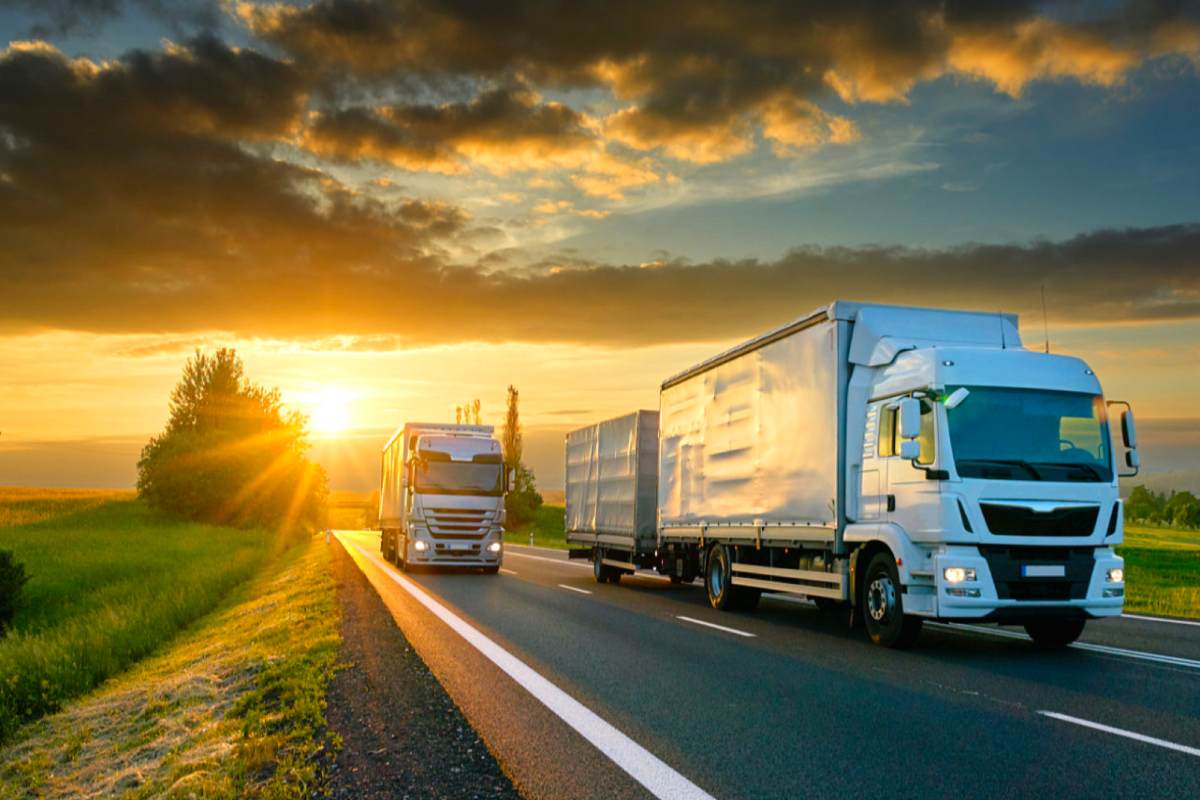
For companies seeking to improve operational efficiency and output, effective management of transport alternatives is a major need. The capacity to provide goods and services fast and at little cost may distinguish a business in a rising competition. The piece examines several means of travel and offers ideas to aid companies in making wise choices meant to boost their profitability.
Understanding Requirements of Transport
Understanding completely the particular demands of your company is the first stage in maximizing business efficiency via transportation. This requires considering your products or services’ nature, the area range of your operations, consumer delivery expectations, and financial limitations. A little bakery will, for example, have different travelling requirements than a big technology company. Recognizing these requirements assists one in choosing the most appropriate means of travel. One valuable resource for businesses in specific regions, like Texas, is leveraging specialized services such as “Texas Vehicle Shipping” for tailored, efficient local transport solutions.
Evaluating Means of Transport
Companies have several transportation possibilities, each with its own advantages and restrictions:
- Most suitable for short to medium distances, road transport is the most prevalent means of travel. It provides options for timing and road changes. Road transport can be relatively slow over long spans and dependent on traffic conditions.
- For moving cargoes over great distances, rail is cost-effective. In comparison to road transportation, this mode is also energy-efficient and less sensitive to weather. Routes and schedules being inflexible is the primary constraint.
Air transportation is necessary for time-sensitive deliveries over great distances since air cargo is the quickest means of transport. It is also, though, the costliest choice and usually meant for perishable or high-value goods.
Sea transport is the most inexpensive way for bulk cargo and perfect for large loads and overseas commerce. Still, the longest transit times and potential for weather-related and port delays to impact it.
- Multimodal transportation is the use of two or more modes of travel to exploit the strengths of each in order to maximize efficiency. For instance, rail is used for long-distance bulk transport followed by truck for local distribution.
Using technology for effective transit
Changing transport efficiency greatly depends on technology. Using transportation management systems (TMS) can enable company to plan, carry out, and optimize the physical logistics of products. Route optimization, live tracking, and automated freight billing all help to cut expenses and raise service dependability.
Considerations regarding the environment
Sustainable transportation is absolutely necessary given rising knowledge of environmental problems. Companies are now thinking of environmentally friendly solutions such as electric vehicles or route optimization to lower carbon emissions. This not only helps to minimize environmental effects but also to improve the reputation of the business among ecologically aware customers.
Cost Control
For sustaining business profitability, controlling transportation expenses is absolutely vital. By negotiating improved freight prices, combining shipments to optimize load efficiency, and choosing the most cost-benefit analysis dependent mode of transportation, this can be accomplished. Moreover resulting in cost savings is frequent evaluation and changes of transport plans depending on changing market dynamics and corporate needs.
Establishing relationships with dependable partners
Strong relationships with trustworthy logistic partners will greatly improve mileage efficiency. This guarantees that companies can rely on punctually deliveries and excellent service. Choosing partners who have experience managing products similar to yours and a strong network may give you a competitive advantage.
Case studies as well as best practices
Many firms have improved their logistics plans to increase their operating efficiency. A top retail chain installed a TMS that lowered shipping costs by 15% and enhanced on-time delivery rates. A company that switched to rail transport for long-distance deliveries and used local trucks for last-mile deliveries saved 20% in yearly transportation costs.
Transportation as Part of Business Process Optimization
Transportation is not an isolated function. It sits right in the middle of how a business operates every day. When transport decisions are disconnected from internal processes, small inefficiencies multiply across the system.
From a process optimization perspective, transportation affects three core business areas:
Inventory Management
Poor transportation planning leads to either excess stock or frequent stockouts. When deliveries are delayed or unpredictable, businesses are forced to hold more inventory as a safety buffer. This increases storage costs and ties up working capital.
Optimized transportation improves inventory flow by:
-
Aligning delivery schedules with inventory turnover
-
Reducing the need for overstocking
-
Supporting just-in-time inventory models
When logistics and inventory systems work together, companies create scalable business systems that grow without increasing waste.
Order Fulfillment and Operational Flow
Transportation directly impacts how quickly and accurately orders move from warehouse to customer. Delays at this stage don’t just affect delivery timelines—they disrupt billing, customer service, and cash flow.
Businesses that treat transport as part of their overall business process optimization often:
-
Integrate transport data with order management systems
-
Use real-time tracking to handle exceptions early
-
Reduce manual coordination between teams
This level of coordination is increasingly driven by business technology investments such as logistics dashboards, transportation management systems, and automation tools.
Customer Satisfaction and Reliability
Customers rarely separate logistics from the brand experience. Late deliveries, damaged goods, or inconsistent timelines reduce trust, even if the product itself is good.
Efficient transportation processes:
-
Improve delivery accuracy
-
Reduce customer complaints
-
Increase repeat business
In competitive markets, operational reliability becomes a silent differentiator.
Role of Transportation in Business Growth Strategy
Transportation decisions play a much larger role in long-term business success than many leaders realize. As companies grow, logistics becomes a strategic lever—not just an operational cost.
Supporting Scalable Operations
A transportation model that works for a small business often breaks when volume increases. Growth requires systems that can handle higher demand without constant manual intervention.
Businesses focused on business growth plan transportation with scalability in mind by:
-
Choosing flexible transport modes
-
Building capacity buffers for peak demand
-
Using data to forecast volume changes
This approach prevents growth from creating operational stress.
Expanding into New Markets
Entering new geographic markets introduces new transport challenges—longer distances, different regulations, and higher delivery expectations.
Transportation planning supports expansion by:
-
Evaluating cost-to-serve for new regions
-
Selecting the right mix of road, rail, air, or sea transport
-
Partnering with experienced logistics providers
For example, companies operating a Trucking Fleet Business often adjust fleet size, routing logic, and driver schedules as they expand into new service areas.
Improving the Delivery Experience
Speed, predictability, and communication define modern delivery expectations. Businesses that invest in transportation visibility tools gain a competitive edge.
Key improvements include:
-
Accurate delivery timelines
-
Proactive delay notifications
-
Better coordination between sales, operations, and logistics teams
These improvements don’t just reduce complaints—they strengthen brand reputation and customer loyalty.
Transportation Trends Shaping Modern Business Operations
Transportation strategies are evolving as technology and customer expectations change. Some key trends businesses are adapting to include:
| Trend | Business Impact |
|---|---|
| Route optimization software | Lower fuel costs and faster delivery |
| Real-time shipment tracking | Improved transparency and control |
| Sustainable transport models | Reduced emissions and stronger brand trust |
| Data-driven logistics decisions | Smarter scaling and planning |
| Integrated logistics platforms | Better cross-department coordination |
These trends show how transportation is increasingly linked to broader business technology investments rather than standalone logistics decisions.
Why Transportation Strategy Matters More Than Ever
Transportation is no longer just about moving goods from point A to point B. It directly influences:
-
Cost efficiency
-
Operational reliability
-
Customer satisfaction
-
Long-term scalability
Companies that treat transportation as a strategic business function—not just an expense—are better positioned to grow, adapt, and compete.
When aligned with process optimization, supported by modern tools, and designed for scale, transportation transforms from a daily challenge into a long-term advantage.
Conclusion:
Any company seeking to improve operating performance depends on good transportation options management. Businesses may greatly enhance their transportation strategies by knowing particular requirements, evaluating all alternatives, using technology, and controlling expenses prudently. Furthermore, given environmental effects and developed strong relationships, efficiency and sustainability can be further improved. Careful preparation and implementation could turn a logistical headache into a strategic business asset for transportation.